
Sustainability
Water is critical infrastructure for a changing world.
Cities are denser. Climate is harder. Discharge limits keep tightening. The plants that hold water infrastructure together can't run the way they used to. Pani gives operations teams the daily intelligence to keep tighter compliance, lower energy, and higher production at the same time.
Effluent limits keep tightening. So does the load.
The world produces roughly 380 cubic kilometers of municipal wastewater a year, on track for 24% more by 2030. An estimated 80% of industrial wastewater is still discharged under-treated. Discharge limits keep tightening – on PFAS, on nutrient runoff, on micropollutants – and every plant in the middle is being asked to treat more water, to a stricter spec, with the staff it already has.
Pani helps plants stay ahead of the limits they're held to. Zed surfaces the compliance, cost, and reliability gaps a plant is sitting on, ranked by what a team can fix this quarter. Forecast alerts page the on-call team hours before a threshold gets crossed, not after.
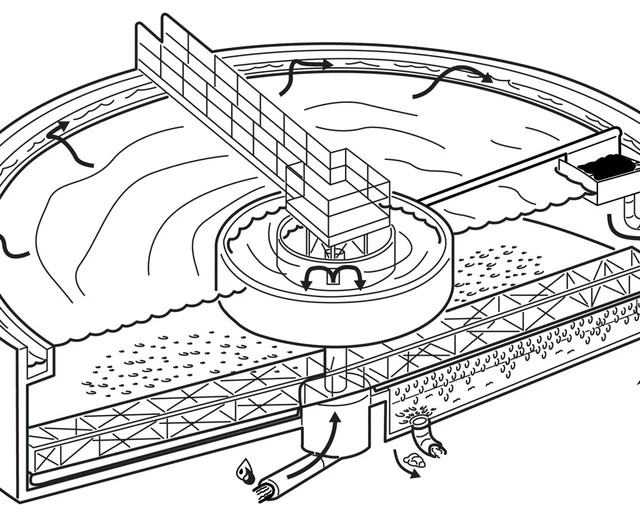
A broken filter screen was caught binding the dewatering motor at a 280 MLD municipal wastewater plant in Washington State, before it failed and took dewatering offline. About $750,000 in avoided motor replacement and sludge trucking.
The next gallon is the hardest gallon.
A quarter of the world already lives under extreme water stress. The gap is being closed by sources that are harder to treat: recycled wastewater, desalinated seawater, industrial reuse. Only around 11% of the world's wastewater gets reused today. That number has to climb.
Pani helps water-stressed plants get more clean water out of every gallon they take in. Zed watches recovery and water usage ratio in real time and flags the moment either starts to drift, early enough for the team to act before the loss shows up in a monthly report.
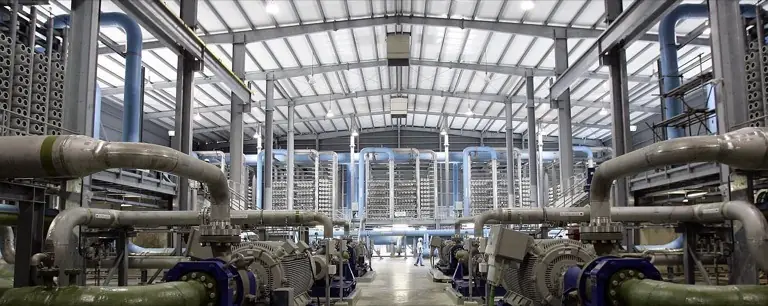
“Out of all our plants, the one running at the lowest water usage ratio is the one with Pani.” A Gulf-region bottler put its water usage ratio in front of the team minute by minute: WUR improved 3.6%, energy fell 3%, and 22 million liters of water were saved in a year.
The carbon in water is electricity.
Water and wastewater treatment burn roughly 4% of the world's electricity today, and demand is on track to roughly double by 2040 as desalination scales and discharge rules tighten. Inside a typical sewage plant, aeration alone can account for 50 to 60% of the electricity bill. Most plants run harder than they need to, on settings written years ago.
Pani is climate tech. It watches how hard pumps and blowers work against the actual load, tracks pressure across membrane stacks, and surfaces the setting changes a plant hasn't touched in years. Carbon drops out as a byproduct of running the plant better, and the operator approves every change.

At a Southeast Asian seawater desalination plant, cleaning timed to the fouling trajectory instead of the calendar delivered 12% more water recovered on 6% less energy – output and efficiency moving together instead of trading off.
Critical infrastructure runs on operations intelligence.
Start with an audit of your own plant, or book a demo and we'll walk you through it.